
State and local proposals look familiar on the surface: RFP, a deadline, a scorecard. But the rules, forms, and buying habits are not the same as federal. If you use a federal playbook without adjusting, you’ll miss points or miss the submission entirely. Here’s how state and local (SLED) work differs and how to adapt fast.
Different rulebooks, different rhythms
Federal buying runs on the FAR and agency supplements. SLED runs on state statutes, municipal ordinances, procurement manuals, and sometimes school board policies. Expect variation by jurisdiction between neighboring counties. Don’t assume terms, thresholds, or protest rules match federal norms.
What to do: Download the jurisdiction’s procurement manual on day one. Build a short crosswalk of key differences: thresholds, evaluation types, protest periods, and local preference rules.
Heavier on forms, lighter on narrative limits
Federal bids often fixate on page counts and volume structure. SLED proposals still want a story, but they also pack in mandatory forms: notarized affidavits, non-collusion statements, E-Verify, immigration compliance, Iran/Russia business disclosures, tax certificates, conflict-of-interest forms, and more. Miss one signature or seal and you’re nonresponsive.
What to do: Create a “forms packet” checklist with signer names, notarization needs, dates, and where wet signatures are required. Lock it two days before production.
Local preferences and participation goals
Many states and cities apply points or tie-breakers for local firms, in-state manufacturing, or in-district presence. Many also set participation goals for M/WBE, SBE, or SDVOB subs and require a documented outreach processnot just good intentions.
What to do: Read the preference policy and scoring. If you’re not local, show tangible presence (office lease, local hiring plan) and a real supplier diversity plan with named partners, letters of commitment, and a tracking method.
Qualification-first models are common
Instead of federal-style technical + price volumes, you’ll often see:
- RFQ (qualifications) to shortlist to RFP with interviews
- Best value with interviews/demos
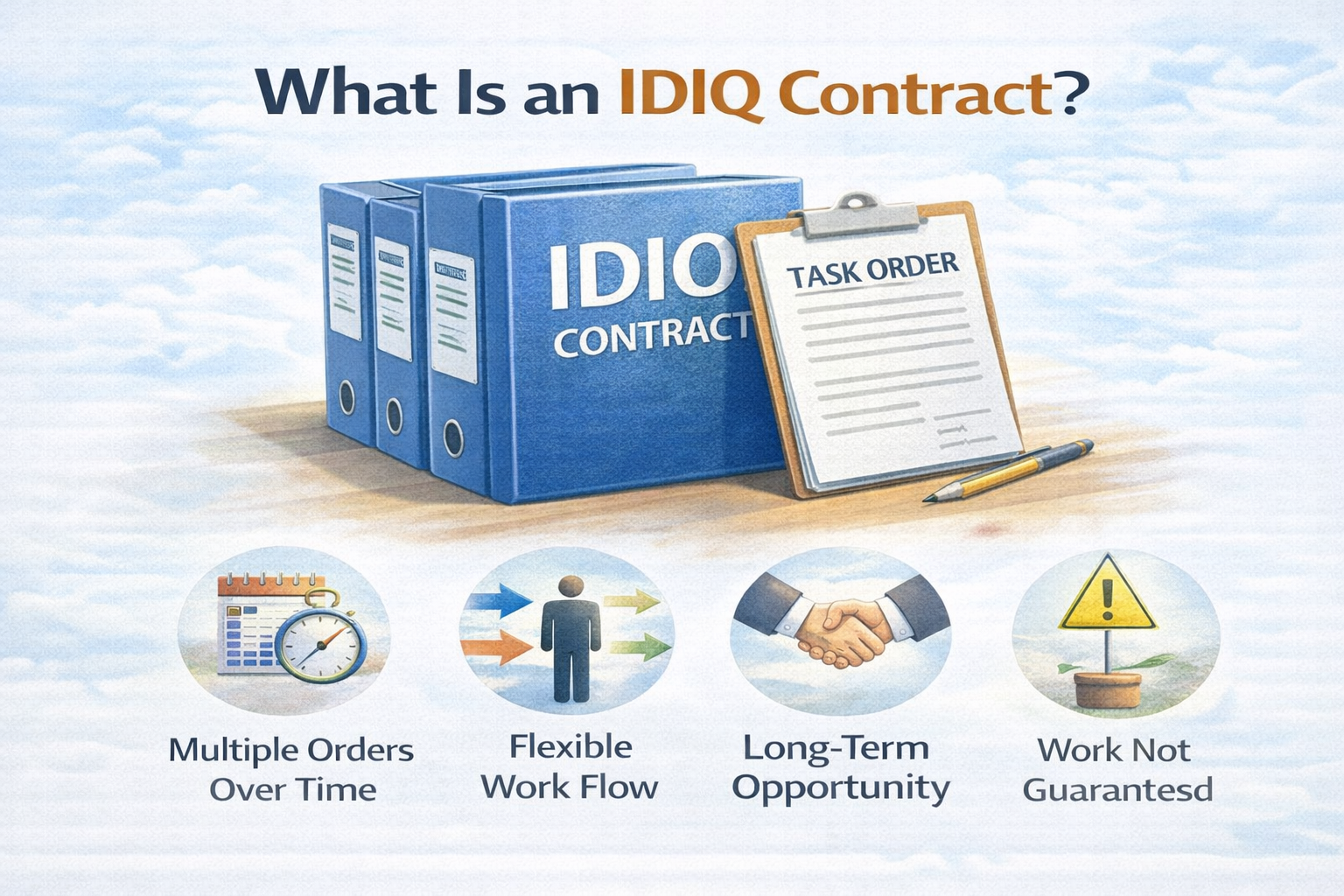
- Job order contracting or on-call task orders
References carry outsized weight, and interview performance can swing the award.
What to do: Prep a tight SOQ template and an interview kit: three slides, three stories, three proof points. Rehearse with the people who will show up on day one, not substitutes.
Pricing is often on forms and rigid
Federal pricing tends to live in spreadsheets you build. SLED pricing often uses agency forms with locked tabs, unit lists, and alternates. For capital and public works, include bonds, insurance certificates, and bid security. Some buyers require fixed unit prices for future tasks; others use time-and-materials with published rate sheets.
What to do: Fill price forms exactly as instructed no extras, no reformatting. Mirror item numbers and descriptions. Check the math in print. Confirm bond capacity and insurance endorsements early.
Addenda can rewrite the play
SLED buyers frequently issue addenda to change dates, forms, or specs. Pre-bid conferences and site visits may be mandatory; if you miss them, you’re out.
What to do: Subscribe to notifications in the portal and assign an “addendum captain.” Maintain an addendum log in your compliance matrix. If attendance is required, document it.
Communication rules differ
Many SLED agencies enforce a “cone of silence” after release. Others allow vendor questions by email or in a portal thread. Some encourage early capability meetings outside of an active procurement.
What to do: Follow the stated channel and deadlines. Ask precise, scoped questions that help the buyer reduce risk. Never route around the point of contact.
Past performance: references over CPARS
You won’t have CPARS-style reports. Instead, expect named references who receive questionnaires or phone calls sometimes during short windows.
What to do: Curate three to five references per practice area. Brief them, confirm contact details, and share the project snapshot they’ll be asked about. Speed matters when questionnaires go out.
Open records change what you submit
State public records laws often make proposals discoverable. Trade secrets can be protected, but only if you label and justify them exactly as the RFP instructs. Over-redacting can lead to rejection; under-redacting can expose your rates and methods.
What to do: Mark specific pages as confidential per the instructions and include the required justification letter. Keep claims narrow and defensible.
Insurance, licensing, and compliance stack
SLED buyers set specific coverages (GL, auto, cyber, pollution), endorsements (additional insured, primary/noncontributory), and limits. Many require city business licenses or contractor licenses at submission, not award.
What to do: Get sample COIs from your broker early. Verify licensing names match SAM, tax records, and your proposal masthead. Mismatches trigger delays.
Graphics: show local understanding
Federal evaluators look for method and risk control. SLED reviewers also want to see you understand their streets, schools, plants, or networks.
What to do: Add simple, labeled maps, phased schedules tied to local events (school calendar, peak traffic), and staffing charts with on-site hours. Keep diagrams clean and captioned with “so what” statements.
Payment terms and cash flow
Expect Net-30 or Net-45 with approvals routed through finance boards. Some cities use P-cards or ePayables with small discounts. Change orders can be slow.
What to do: Price with realistic carrying costs. Map invoice milestones to the buyer’s cycle. For tasks, propose deliverables that trigger billing without waiting for multi-month rollups.
Build a SLED go/no-go filter
Avoid chasing every city posting. Score each opportunity on:
- Buyer fit and repeat spend in your service
- Local presence or credible partner
- Mandatory licenses and forms you can meet today
- Realistic price form fit (unit rates, bonding)
- Interview capacity during the window
Set a threshold and stick to it.
Quick checklist
- Download the jurisdiction’s procurement manual and rules
- Build a forms packet with signer list and notarization plan
- Map local preferences and M/WBE goals to a real teaming plan
- Align to RFQ/RFP/interview models; rehearse early
- Fill price forms exactly; confirm bonds and insurance
- Track every addendum; attend required meetings
- Use named references; prep them for fast responses
- Apply public records markings per instructions
- Verify licenses, names, and COIs match across systems
- Add local maps, schedules, and staffing visuals
- Align invoice milestones to payment cycles
- Use a SLED-specific go/no-go before you commit
State and local work rewards firms that respect local rules, nail the paperwork, and prove they understand the community they’ll serve. Adjust your approach, and you’ll turn more notices into wins.