Government contracts can be a huge opportunity for small businesses. They offer steady work, reliable payments, and long-term growth potential. Many governments also create special programs to help small businesses compete and win.
But success does not happen by accident. Many small businesses jump into government contracting without a clear plan. They start bidding on random contracts, spend too much time chasing the wrong opportunities, and become frustrated when they do not win.
This is why having a government contracting strategy is so important. A strategy helps small businesses stay focused, use resources wisely, and improve their chances of winning contracts that truly fit their strengths.
What Is a Government Contracting Strategy?
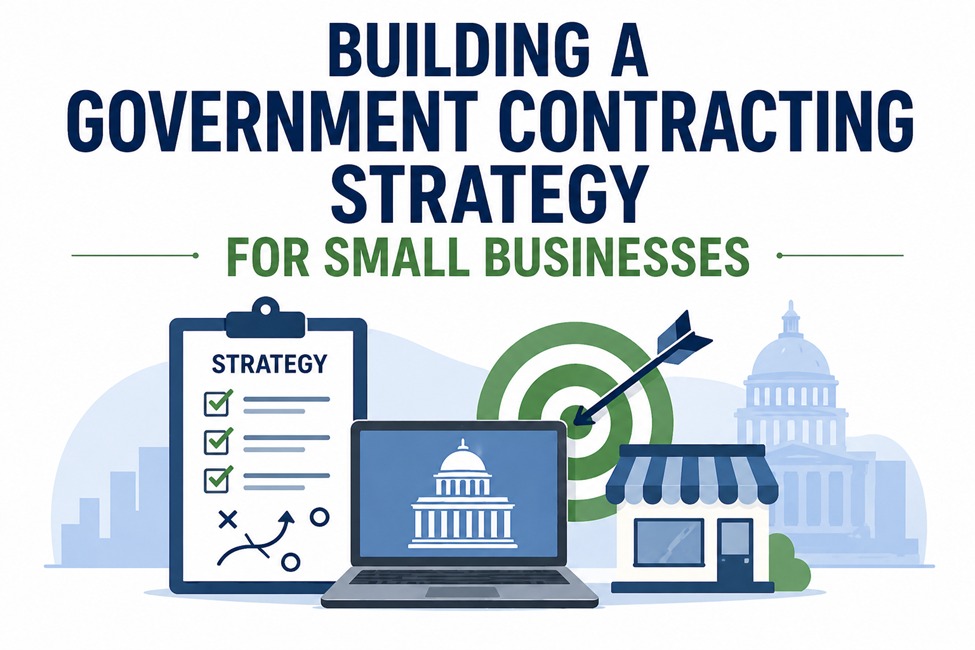
A government contracting strategy is a clear plan for how your business will find, pursue, and win government contracts.
It helps answer questions like:
- Which contracts should we target?
- Which agencies should we work with?
- What certifications do we need?
- How do we compete against larger companies?
- How do we build long-term success?
Instead of reacting to every opportunity, you move with purpose. A good strategy saves time and increases results.
Step 1: Know Your Core Strengths
Before looking for contracts, understand what your business does best. Do not try to be everything for everyone.
Ask:
- What services or products are we strongest at?
- What industries do we know well?
- What problems do we solve better than others?
- What makes us different from competitors?
Your strategy should be built around your real strengths, not guesses. The best contracts are the ones that match your experience and capabilities.
Step 2: Register Properly
Most government contracts require official registration before you can bid.
This may include:
- SAM registration
- Small business certification
- Minority-owned business certification
- Woman-owned business certification
- Veteran-owned business certification
- Local government vendor registration
Make sure your information is complete and updated. Missing registration details can block good opportunities. This step may seem simple, but it is critical.
Step 3: Choose the Right Agencies
Not every government agency is the right customer for your business. Research which agencies regularly buy what you sell.
For example:
- IT companies may target defense or education agencies
- Construction firms may focus on public works departments
- Cleaning companies may target schools and hospitals
Study where demand already exists. It is better to focus deeply on a few agencies than chase every possible buyer.
Step 4: Understand Small Business Set-Asides
Many governments reserve certain contracts only for small businesses. These are called set-asides. This creates major opportunities because you are not always competing against large corporations.
Learn about:
- Small business set-asides
- 8(a) programs
- HUBZone opportunities
- Woman-owned business contracts
- Service-disabled veteran-owned programs
These programs can give your business a strong advantage. Use them.
Step 5: Build Past Performance
Past performance matters a lot in government contracting. Buyers want proof that you can deliver. If you are new, start smaller.
Look for:
- Subcontracting opportunities
- Local government contracts
- Short-term service contracts
- Lower-risk projects
- Private sector projects that show similar experience
Small wins build trust and open doors to larger contracts later.
Think long term.
Step 6: Create Strong Partnerships
Small businesses do not need to do everything alone. Teaming with other businesses can improve your chances.
You may partner with:
- Prime contractors
- Other small businesses
- Specialized subcontractors
- Local service providers
- Industry consultants
Good partnerships help fill capability gaps, strengthen compliance, and improve credibility. Choose partners carefully. Strong relationships matter.
Step 7: Prepare a Smart Pricing Strategy
Many small businesses make one big mistake: underpricing. They lower prices too much just to win. This often creates financial problems later.
Your pricing should be:
- Competitive
- Realistic
- Profitable
- Aligned with your technical proposal
Winning a contract that hurts your business is not success. Smart pricing protects growth.
Step 8: Build a Proposal Process
Proposal writing should not feel chaotic every time. Create a repeatable system.
This may include:
- Proposal templates
- Compliance checklists
- Resume libraries
- Past performance examples
- Pricing worksheets
- Review schedules
A process saves time and improves quality. The faster you can respond with strong proposals, the more opportunities you can pursue.
Step 9: Focus on Relationships
Government contracting is not only paperwork. Relationships matter.
Attend:
- Industry events
- Vendor outreach sessions
- Government procurement meetings
- Small business networking events
- Agency supplier briefings
Learn how agencies think. Understand their needs before the contract is released. Good relationships improve positioning. Capture strategy starts here.
Common Mistakes Small Businesses Make
Many small businesses fail because of avoidable mistakes.
These include:
- Chasing every contract
- Ignoring compliance rules
- Weak registrations
- No clear pricing strategy
- No past performance planning
- Poor proposal organization
- Waiting too late to build relationships
Government contracting rewards preparation. Discipline beats speed.
Think Long-Term, Not Quick Wins
Government contracting is rarely fast. It takes patience. Some businesses expect immediate wins and quit too early. The smarter approach is building a system. One small contract leads to stronger past performance. That leads to better opportunities. That leads to larger contracts. Success grows step by step. Treat it like building a strong foundation, not chasing quick money.
Final Thoughts
Building a government contracting strategy for small businesses is about focus, planning, and consistency. It is not about bidding on everything. It is about choosing the right opportunities, building trust, and creating a repeatable path to growth.
Small businesses can compete and win in government contracting, but only with the right strategy.
The government buys from businesses of every size. The goal is not to be the biggest company. The goal is to be the best prepared. That is where real success begins.