
Finding the right contract opportunity is the first — and arguably most important — step in winning government or corporate work. Whether you’re a small business, nonprofit, or independent consultant, diving into proposals without proper research is like setting out on a road trip without a map.
In today’s fast-moving procurement landscape, organizations that leverage opportunity research gain a massive advantage. They can target bids that align with their strengths, avoid wasting time on long-shot proposals, and position themselves as responsive, informed, and competitive bidders.
So what exactly is opportunity research? And how can you use it to find and win your next contract?
What Is Opportunity Research?
Opportunity research is the process of identifying, analyzing, and evaluating upcoming contract opportunities to determine whether they are a good fit for your organization.
It goes far beyond just browsing bid portals or scrolling through SAM.gov listings. True opportunity research involves:
- Knowing what contracts are coming before they’re released
- Understanding the buying habits of government agencies or private buyers
- Studying competitors and past awards
- Aligning opportunities with your capacity, certifications, and past performance
Think of it as strategic reconnaissance before you commit to a proposal.
Why Opportunity Research Matters
Too many organizations waste resources chasing the wrong contracts — ones that are too big, too niche, too far outside their capabilities, or too competitive without a realistic shot.
Strong research helps you:
- Find the right-fit opportunities
- Focus on winnable contracts
- Understand what buyers need
- Position yourself early in the process
Done well, it transforms your business development from reactive to proactive.
Where to Start with Opportunity Research
Here’s how you can begin incorporating research into your contracting strategy:
1. Use Online Portals and Forecast Tools
Start with public contract databases and agency forecast reports. These include:
- SAM.gov: The primary source for federal contract opportunities.
- Agency procurement forecasts: Many federal agencies publish their buying plans in advance (e.g., USAID, HHS, DoD).
- FPDS.gov (Federal Procurement Data System): Shows historical awards — who won what and for how much.
- USAspending.gov: Allows deeper budget analysis.
- GovWin, BidNet, GovTribe, eProcurement platforms: Paid tools with powerful filters and early alerts.
📌 Tip: Create alerts for NAICS codes, keywords, and agencies you want to target.
2. Study Past Contracts and Awardees
Dig into the details of previous contracts similar to the ones you’re targeting. Key things to look for:
- Which companies or nonprofits were awarded?
- What was the contract size and duration?
- What were the deliverables?
- What set the winners apart?
This helps you benchmark pricing, understand evaluation criteria, and identify agencies that already buy what you offer.
3. Identify Contract Vehicles and Set-Asides
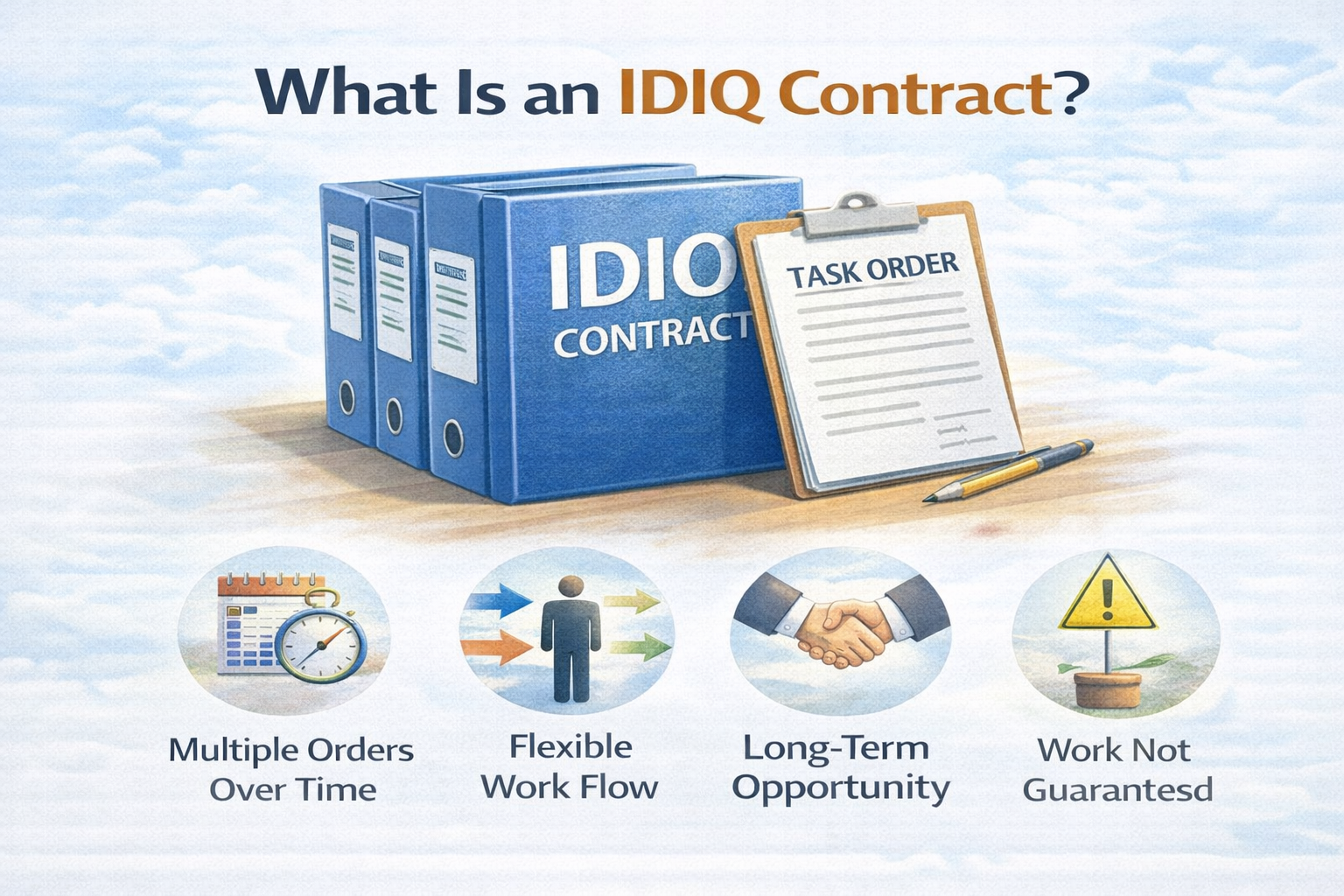
Many federal contracts are issued through specific contract vehicles (like GSA Schedules or IDIQs) or are reserved for set-aside groups (like 8(a), WOSB, SDVOSB, HUBZone).
📌 Tip: Research which vehicles your target agencies use most often — and position yourself accordingly.
4. Know the Buying Agency
Every agency or buyer has unique preferences, missions, and pain points. Do your homework:
- What are their strategic goals?
- What services or products are they buying this year?
- What are their evaluation trends?
- Do they favor incumbents or welcome newcomers?
📌 Tip: Read agency strategic plans, recent audits, and market research requests (RFI/RFQ) to gain insights.
5. Monitor Pre-Solicitations and RFIs
These are goldmines for opportunity research. Pre-solicitations and Requests for Information (RFIs) often signal a coming contract well in advance — giving you time to prepare, network, and influence.
📌 Tip: Respond to RFIs even if you’re unsure — it puts your name on the radar.
6. Network with Prime Contractors and PTACs
If you’re not ready to prime a contract, partner as a subcontractor. Opportunity research includes identifying prime vendors you can support.
Also connect with:
- PTACs (Procurement Technical Assistance Centers) — they offer free support
- OSDBUs (Office of Small and Disadvantaged Business Utilization) — inside each agency
- Small business liaisons and industry days — great for building relationships
How to Qualify an Opportunity
Before jumping into proposal writing, ask yourself:
✅ Do we meet the eligibility and certifications required?
✅ Is the scope a good match for our capabilities?
✅ Do we have relevant past performance or partners who do?
✅ Can we price competitively without sacrificing quality?
✅ Do we have enough time to prepare a strong proposal?
If the answer is mostly yes — go for it. If not, track the opportunity, learn from it, or use it to build relationships for the next one.
Pro Tip: Build an Opportunity Pipeline
Keep a living document or CRM tool that tracks:
- Opportunity title
- Release/closing dates
- Agency/buyer
- Contract type (IDIQ, BPA, firm-fixed-price, etc.)
- Competitors or likely bidders
- Your “go/no-go” decision
Review and update it weekly to keep your pipeline strong and your team aligned.
🚀 Final Thoughts
Opportunity research isn’t just about finding open bids — it’s about strategically positioning your organization to win. By investing time in research up front, you’ll save energy chasing unfit projects and focus your efforts where they matter most.
Remember: Success in contracting doesn’t start with the proposal — it starts with the research.